The Rolex Lady-Datejust is a classic answer to the question, “What is the best Rolex for women?”, but the “best” Rolex today is a highly individual choice that often defies the classic boundaries between “ladies’” and “men’s” watches. This comes down to many women simply wanting the ideal “perfect fit” for them, whether that is anything from the quintessential 28mm Datejust to the 40mm Daytona. Let’s go over the best options out there, from vintage to oversized sports AAA+ replica watches and everything else you should consider first, from sizing and materials to investment potential.
Our Top Picks: The Best Rolex Models for Women

There’s a lot of Rolexes out there for women to choose from, some developed specifically for them, and others that women have made their own over the years. Below are our top picks, grouped by style and heritage to help you find the one that best suits your wrist.
The Icon: Rolex Lady-Datejust & Datejust (28mm, 31mm)
Rolex released the Lady-Datejust in the 1950s. It was essentially a scaled-down version of the popular men’s Datejust, even keeping all of the same features from the automatic movement to the Cyclops 3 o’clock date. 26mm was the go-to size for years until Rolex swapped it out for 28mm in 2015. Today, the 28mm and 31mm are the most popular sizes for a more traditional, feminine fit, with the 31mm (officially known as just “Datejust 31” and appropriately sized between the traditional and modern proportions) being the choice of most.
The Datejust line is the most versatile collection in the Rolex lineup, as it’s available in virtually any combination. It can be stainless steel, two-tone (yellow or Everose gold) or full precious metal, and has options for smooth or fluted bezels or gem-set bezels, as well as the sporty Oyster bracelet or dressy Jubilee bracelet.
What is a “Ladies President” Rolex?
It’s really important to note here that “Lady President” is a nickname and not an official model name. These best selling Rolex copy watches are any solid gold or platinum Lady-Datejust (26mm, 28mm) or Datejust 31 with the coveted three-link President bracelet. This bracelet type is typically reserved for the Day-Date, which adds yet another layer of collectability to any women’s Datejust on the Rolex President.
The Versatile Classic: Rolex Oyster Perpetual (31mm, 36mm)
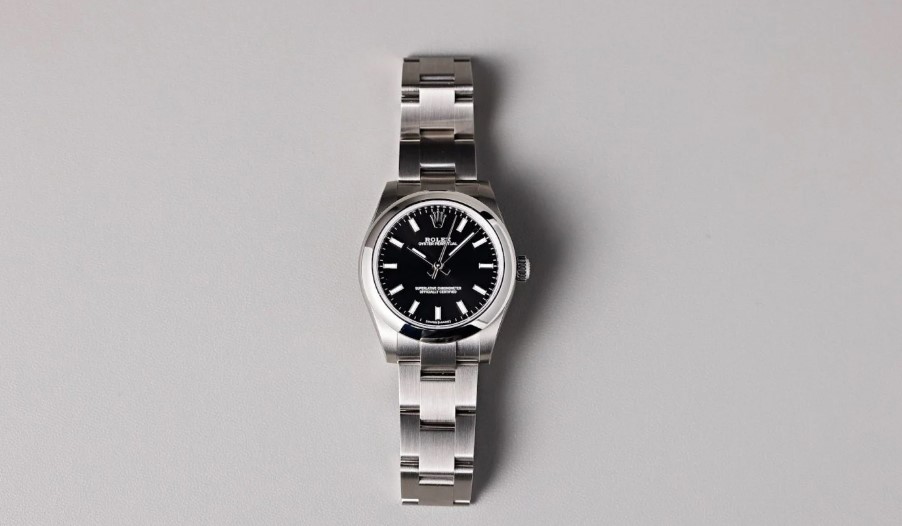
The Oyster Perpetual is the “entry-point” to the Rolex brand, but it’s a fan-favorite for its pure, minimalist, time-only dial. While older watches did come in 24mm and 26mm, today’s 28mm, 31mm, and 36mm sizes are the most popular. In 2020, Rolex introduced a whole suite of new “Stella-inspired” dials in colors like pink, turquoise, yellow, and red which immediately became collector’s items. These dials are a tribute to the rare lacquered dials from the 1970s with a playful but refined energy.
In 2023, they also released a multi-colored “Celebration” dial, which combined all of the colors in one watch face. The Oyster Perpetual is a beautiful and simple canvas to play around with different color options and make a statement. With no date window like the Datejust, the dial has a clean uninterrupted space to experiment with color. Plus, the Oyster Perpetual is the only Rolex model that comes exclusively in Oystersteel today, Rolex’s proprietary stainless steel alloy, which also keeps the price point a little more accessible.
The Power Piece: Rolex Day-Date 36
The Rolex Day-Date 36 has been primarily a men’s watch since its launch in 1956. Yet the vintage appeal of this superlative timepiece has established the Day-Date 36 as an immensely strong and compelling ladies’ watch. Today, it is the ultimate watch for power and prestige, offered exclusively in 18k gold or 950 platinum. Features such as the day window at 12 o’clock and the instantly recognizable President bracelet are synonymous with this Rolex. At 36mm, the watch’s size is perfectly in scale with a feminine wrist.
The Day-Date’s nickname, the “President,” is associated with many presidents and power brokers who have worn the watch over the years. The choice to wear this watch, especially for a woman, is a bold statement and a show of confidence and accomplishment. Rolex’s clever inclusion of the full name of the day of the week in over 25 languages is one of the most unique functional elements and a characteristic that sets the Day-Date 36 apart from all other Swiss fake Rolex watches. This is not a subtle watch. By any means.
A Trend That’s Here to Stay: “Unisex” & Men’s Models for Women
The most popular watches for women come from Rolex’s collection of “Men’s” Professional timepieces. Wearing a larger, sportier 40mm+ watch is a bold fashion statement and requires a great deal of confidence.
The “It-Girl” Watch: Rolex Daytona
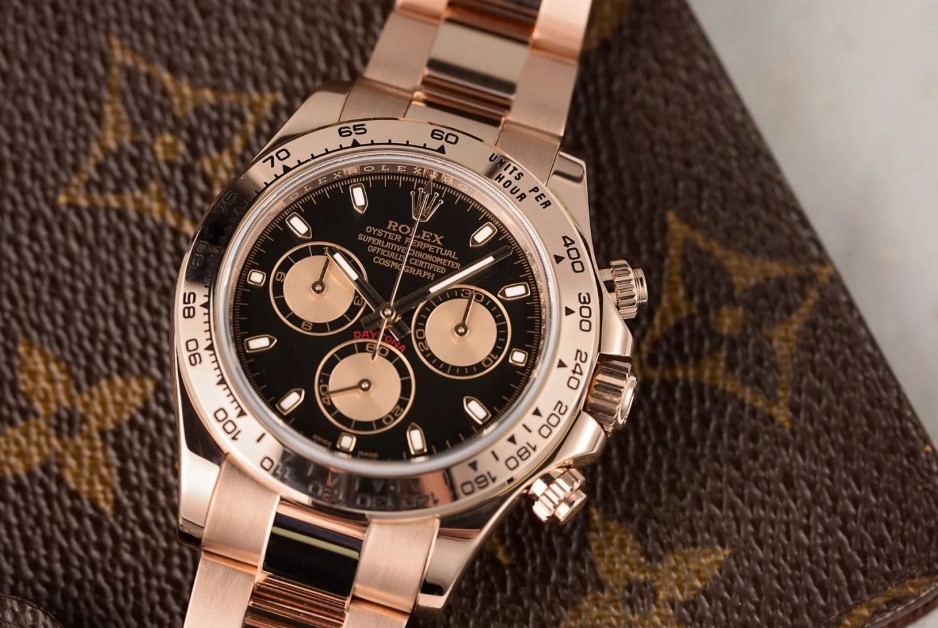
The Daytona 40mm is the most well-known “unisex” watch in history. A mythical chronograph with the perfect proportions, it’s been a favorite of stars and collectors (both male and female). Bold, sporty, and astonishingly versatile (especially in stainless steel or Everose), it’s technical with its three sub-dials but balanced in its overall proportions so as to never veer too far towards the masculine.
Appealing to all, it’s a watch you can use to time your laps around a track or check the time over lunch. Either way, you’re showing a degree of savoir-faire that very few other top copy Rolex watches can. Steel versions have had waitlists for years, making it even more legendary. Ladies who own one aren’t trying to sneak under the radar. They’re making a statement that they like fine mechanics, iconic designs, and are confident enough to wear what they want even if it’s been marketed otherwise.
How to Choose: A Buyer’s Guide for Your First (or Next) Rolex
Now that you know the top watches, let’s narrow it down. Here are the key factors to consider to find the perfect watch for you.
What is the Best Rolex Size for Women?
The “dainty” 26mm is almost out of style but still has great value in the second hand market. 28mm, 31mm, 36mm are the new standard and range from traditional fits to more modern. Your wrist size and personal preferences will determine which watch feels right for you.
Women choosing luxury watches are now favoring larger sizes which reflect broader fashion trends and changing preferences. A 36mm watch that ten years ago might have felt big and overbearing will now feel well-proportioned and modern. The key is trying different sizes to see what feels right. A watch that looks perfect in a photograph might feel too large or too small when you actually wear it throughout your day.
Finding Your Timeless Piece
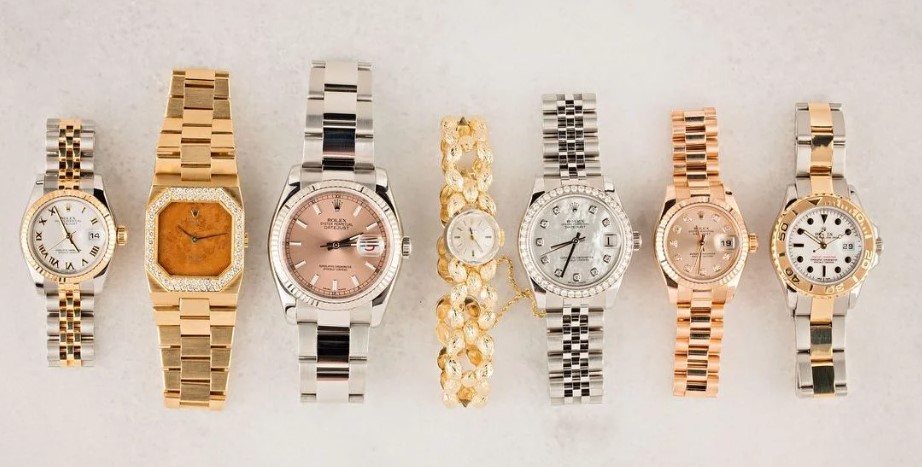
Ultimately, the best Rolex for women is the one that fits your style and you’ll want to keep for decades to come. If you love the simplicity of an Oyster Perpetual, the classic flexibility of a Datejust, or the fun sophistication of a Day-Date, Rolex has the perfect timeless timepiece for you. At Bob’s Watches, we take pride in our carefully curated collection and our expertise. Browse our extensive selection of used best clone Rolex watches to find the perfect watch to tell your story.